
Opinion · Kashmir
How Responsible Travel Can Help Preserve Kashmir for Future Generations
Srinagar, Pahalgam, Gulmarg and Sonamarg are living ecosystems with ecological limits, not theme parks. The valley can measure success in the clarity of its waters as well as in visitor numbers.
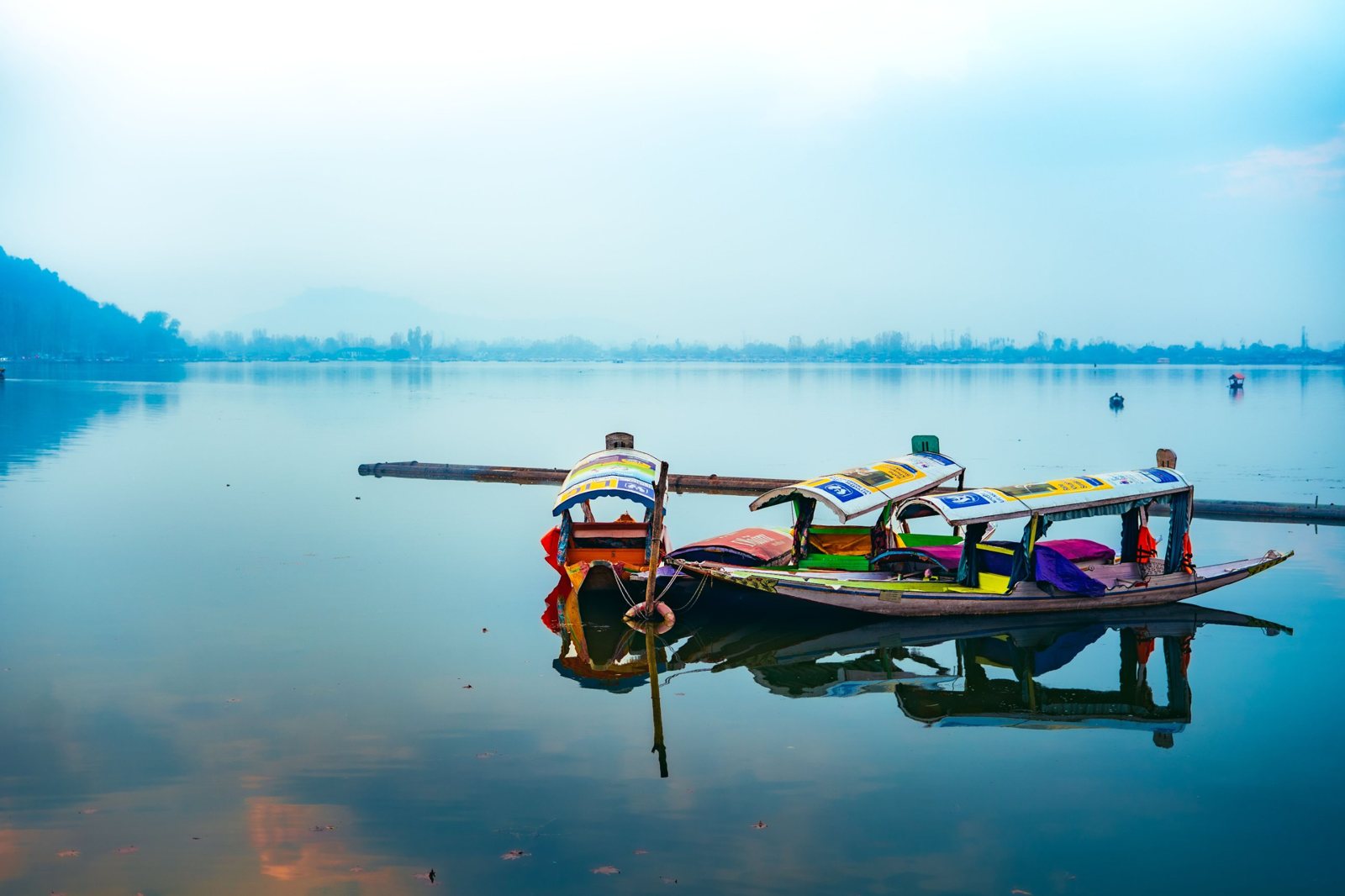
Nestled in the lap of the Himalayas, Kashmir has long been celebrated for its snow-clad peaks, alpine meadows, dense pine forests, and shimmering lakes. Yet this natural splendour is neither infinite nor indestructible. Traditional hubs such as Srinagar, Pahalgam, Gulmarg, and Sonamarg are living ecosystems with clear ecological limits, not theme parks built to absorb unchecked crowds and rapid concrete expansion. As visitor numbers climb, the region stands at a crossroads: continue with high-impact mass tourism that strains fragile landscapes, or embrace eco-tourism — a model of responsible travel that conserves nature, uplifts local communities, and keeps Kashmir’s heritage intact.
Shifting from Mass Tourism to Responsible Travel
Eco-tourism in Kashmir is not about restricting visitors; it is about redefining what successful tourism looks like. Rather than measuring progress solely by footfall or hotel construction, responsible tourism prioritises low-impact experiences that protect wetlands, forests, and wildlife habitats.
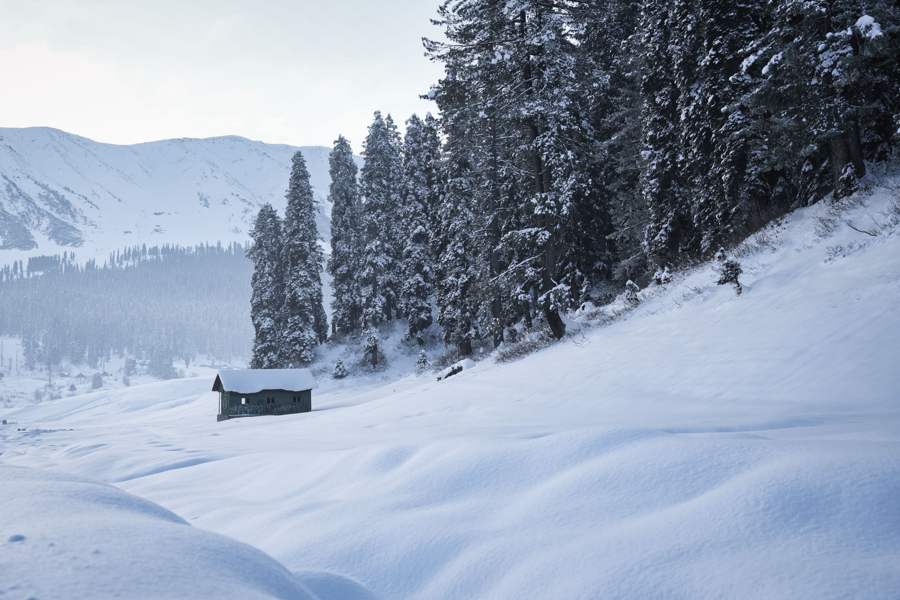
Recent policy shifts reflect this growing awareness. In north Kashmir’s Kupwara district, for example, authorities introduced eco-tourism guidelines for Bangus Valley — two pristine, bowl-shaped meadows sitting at 10,000 feet — specifically to avoid the unplanned concrete sprawl seen in older tourist circuits. By limiting large-scale hotel construction and focusing instead on basic, low-footprint amenities like rain shelters, designated waste disposal, and eco-friendly signage, offbeat destinations can welcome travellers without sacrificing their ecological balance.
Key Benefits of Eco-Tourism in Kashmir
Transitioning toward sustainable, nature-based travel offers transformative advantages across environmental, economic, and cultural dimensions:
- 1Environmental and biodiversity conservation
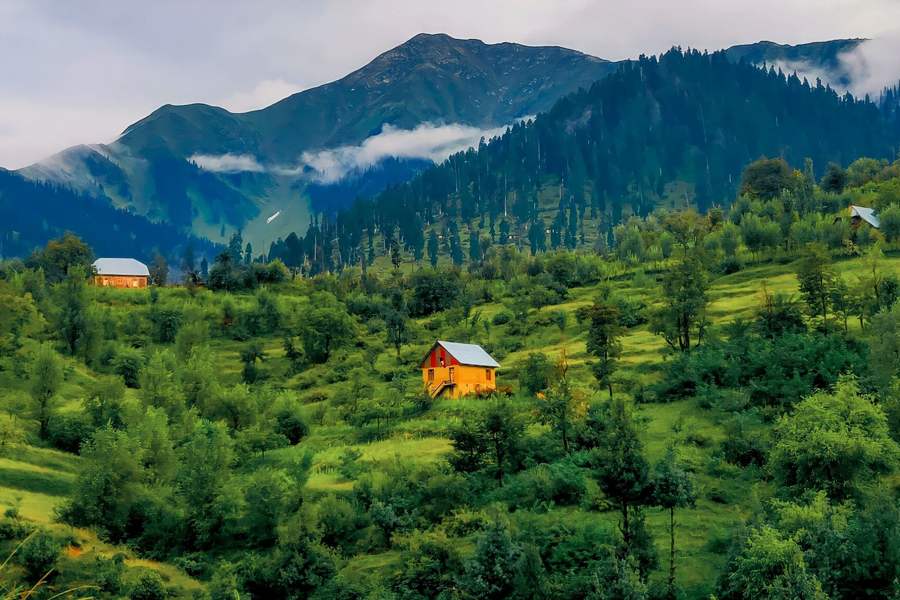
Kashmir is home to rare flora, endangered wildlife, vital wetlands, and iconic water bodies like Dal Lake, which serves as both an ecological lifeline and an economic anchor for Srinagar. Eco-tourism curbs deforestation, minimises plastic and solid waste, and channels visitor awareness and funding directly toward protecting natural habitats.
- 2Empowering local communities and rural livelihoods
Unlike conventional resort tourism, where profits often flow to outside corporations, eco-tourism puts local residents at the centre of the economy. Registering community-run homestays and paying guest houses supports rural families, shepherds, and nomadic communities, generating year-round income in remote and border areas while reducing unemployment.
- 3Preserving cultural heritage and traditional crafts
Responsible travellers seek authentic connections rather than commercialised experiences. Eco-tourism creates direct markets for Kashmir’s traditional arts, handwoven shawls, woodcraft, folk music, and local cuisine, giving younger generations strong economic incentives to keep centuries-old traditions alive.
- 4Balanced regional development
By dispersing tourists away from overcrowded hubs toward emerging eco-destinations, the region eases pressure on saturated infrastructure while stimulating essential improvements in sanitation, healthcare, and clean energy in far-flung valleys.
- 5Long-term economic resilience
Tourism is a cornerstone of Jammu and Kashmir’s economy. Protecting the very landscapes that draw global visitors ensures the industry remains viable for decades, rather than degrading the natural capital it depends on.
“Kashmir’s lakes, rivers, forests, and meadows are not renewable commodities that can simply be replaced once damaged.”Tahir Maqsood Wani
Charting a Sustainable Path Forward
Realising the full promise of eco-tourism requires coordinated action from policymakers, tour operators, local communities, and travellers alike. Development in environmentally sensitive zones must follow strict scientific planning norms and forest clearances. Local youth should be trained as certified eco-guides and conservation stewards, while strict waste-management systems and single-use plastic bans must be enforced across meadows, treks, and lakes.
Kashmir’s lakes, rivers, forests, and meadows are not renewable commodities that can simply be replaced once damaged. By choosing eco-tourism, the valley can measure its success not just in visitor numbers, but in the clarity of its waters, the vitality of its forests, and the lasting prosperity of its people. Protecting paradise today is the only way to ensure future generations inherit the same Kashmir that has captivated the world for centuries.

Tahir Maqsood Wani writes on the environment and on sustainable business in Jammu and Kashmir. This article is his own; we publish it because it is the way we try to work.
Kashmir Travels is a family firm in Srinagar, and we plan trips the way this article describes: local drivers and guides, homestays and houseboats run by families, and the quieter valleys when the famous ones are full. See our Kashmir tour packages or our guide to Srinagar.
Latest from our blog
Six decades in the valley: tailored tours, houseboats and hotels we know, experienced local drivers and clear pricing.
Read more →
Tickets, the two phases and the chairlift, timings, and the best month to ride one of the world’s highest cable cars.
Read more →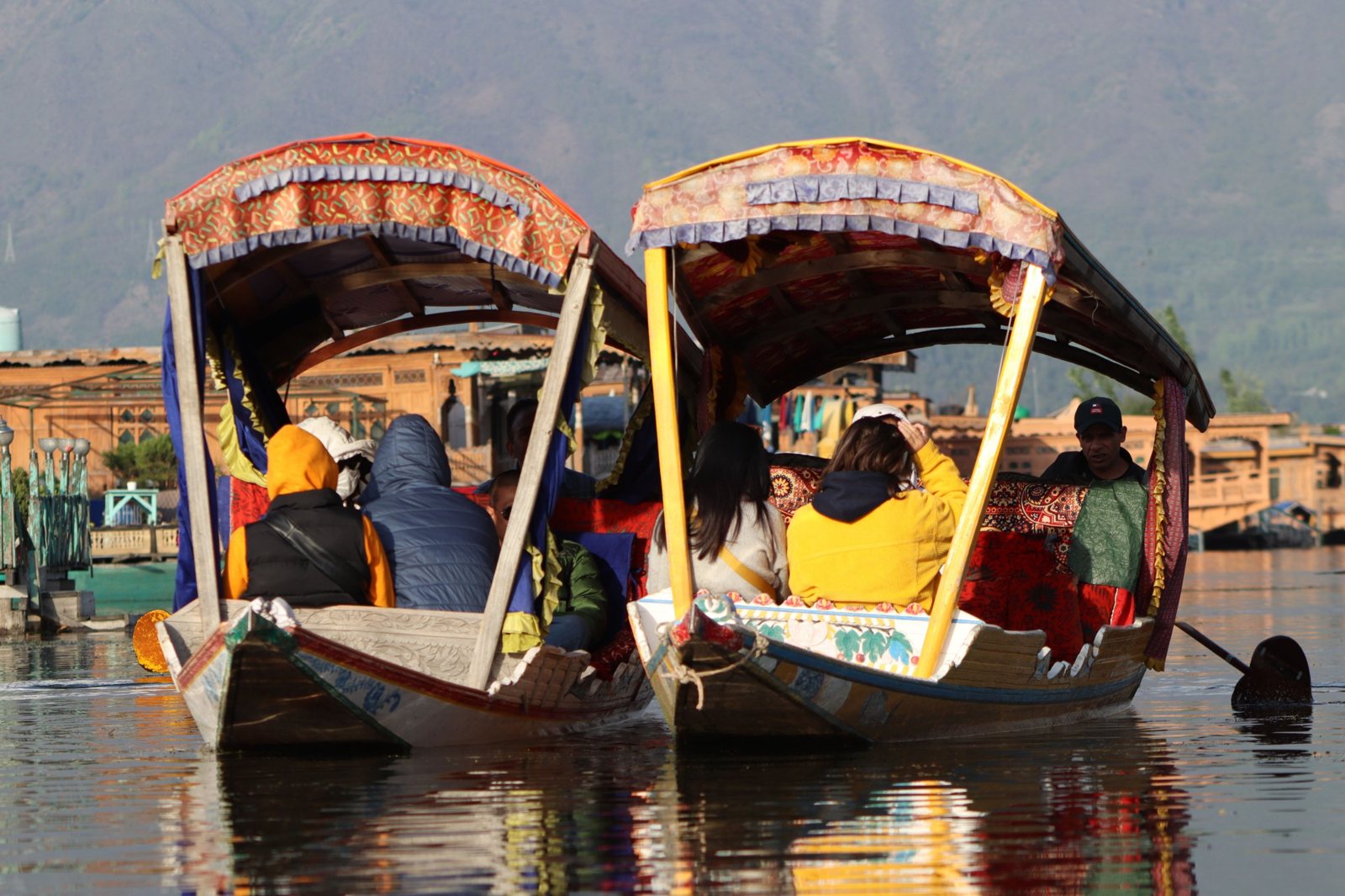
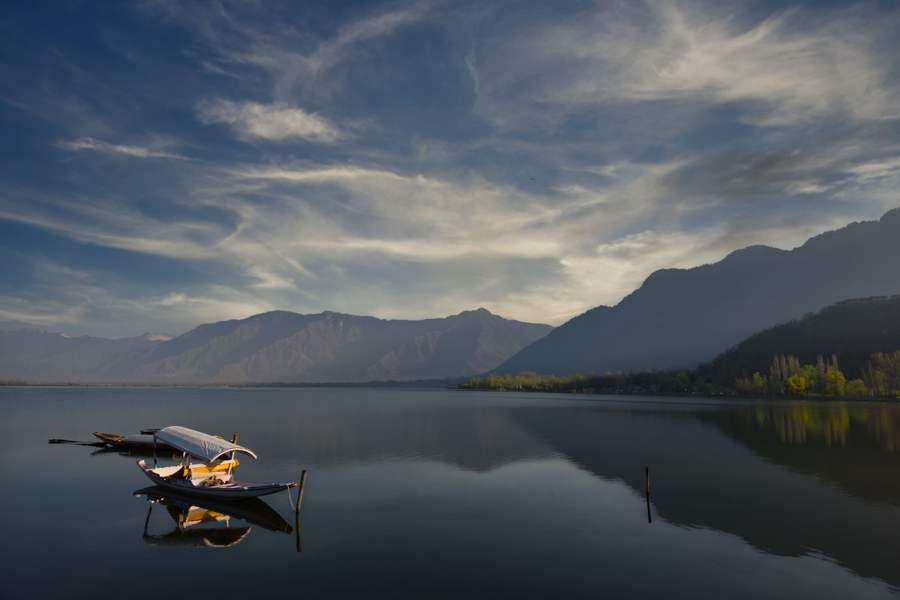
A 3-hour Shikara route on Dal Lake: lotus gardens, the Golden Gate, Nehru Park, Kabutar Khana, the floating gardens and Meena Bazar.
Read more →
Why they exist, what is inside, the Deluxe to D grades, Dal against Nigeen, and what to check before you book.
Read more →